Netanyahu Deepfake Claims: Unpacking the Battle for Digital Truth
In an age where digital manipulation blurs the lines between reality and fabrication, even the most prominent figures find themselves ensnared in webs of suspicion. Benjamin Netanyahu, the Prime Minister of Israel, recently became a central figure in a high-profile case that starkly illuminates this modern dilemma. Claims of his images being deepfaked or AI-generated sparked intense debate across social media, with fervent discussions on platforms like Netanyahu Reddit communities scrutinizing every pixel and frame. These claims, though ultimately unsupported by credible evidence, reveal a deeper crisis: the erosion of public trust in official visuals and the pervasive impact of AI on our perception of truth.
The Anatomy of Digital Suspicion: From Extra Fingers to Questionable Coffee
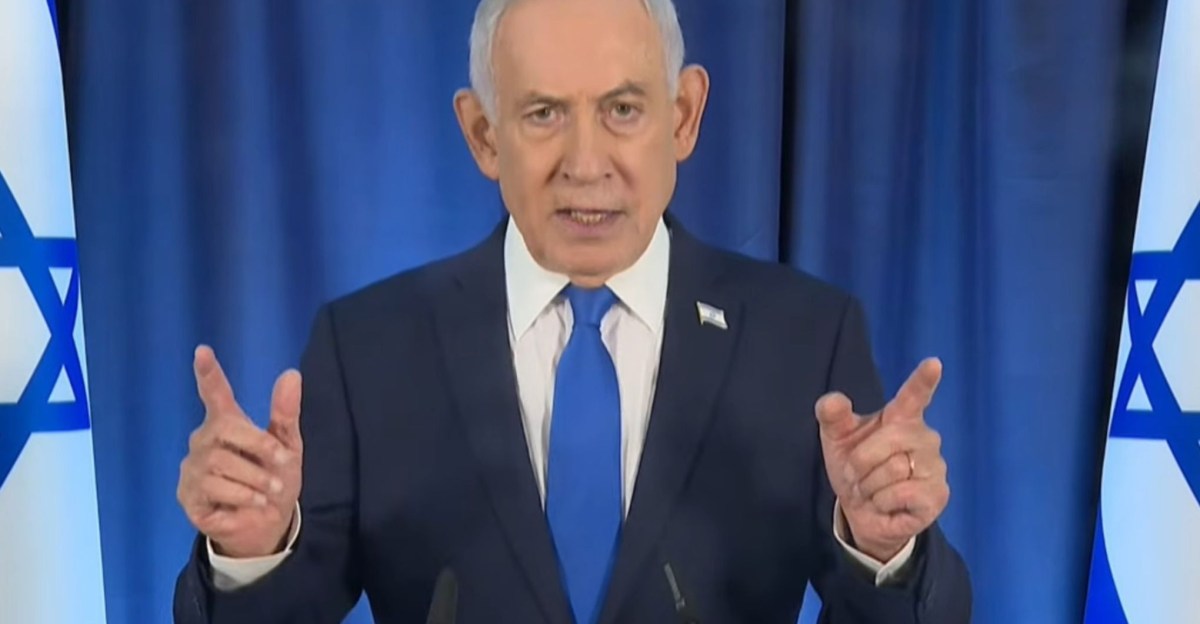
The first tremors of doubt regarding Netanyahu's authenticity emerged from a livestream clip. Eagle-eyed social media users, many converging on discussion forums and particularly on Netanyahu Reddit threads, began dissecting the footage frame by frame. Their claims centered on visual distortions near a microphone and, most notably, the alleged appearance of an "extra finger" on the Prime Minister's hand. In isolation, such details might once have been dismissed as insignificant glitches or internet fringe noise. However, the rise of AI-generated imagery has fundamentally reshaped public perception. Audiences have been implicitly "trained" to hunt for imperfections in hands, faces, and reflections—the notorious tells of AI fabrication. Consequently, ordinary video compression artifacts, which can produce odd visual inconsistencies, are now instinctively interpreted as damning evidence of manipulation.
A subsequent video, seemingly designed to quell the burgeoning rumors, showed Netanyahu in a café. Far from dousing the flames, it became another object of forensic online obsession. Users questioned the appearance of the coffee cup, the movement of the liquid within, and the overall texture of the footage. What was intended as proof of life became, paradoxically, further fuel for the deepfake debate. This collaborative, often intense, scrutiny across various platforms, including various Netanyahu Reddit discussions, underscored a profound shift: every glitch is now treated as evidence, with little room for the possibility of mundane explanations.
The Deepfake Dilemma: Why Debunking Backfires and Trust Evaporates
The striking characteristic of this new digital landscape is that even professional debunking efforts struggle to land cleanly. When reputable outlets examined the café video as part of debunking reports, the wider discussion did not settle. Instead, the argument shifted from scrutinizing individual frames to a murkier, more unsettling question: could any official image still command trust? This phenomenon highlights a critical aspect of the deepfake era: the more people are exposed to sophisticated fakes, the more skeptical they become of everything. This pervasive skepticism feeds into a cycle where even truthful content is viewed through a lens of suspicion, especially when amplified by echo chambers on social media.
Moreover, the tools designed to combat this problem often exacerbate it. AI detection tools, while promising in theory, are prone to throwing up false positives. An automated warning, intended to clarify, can instead deepen confusion and solidify flimsy claims in a politically charged atmosphere. In such an environment, the simple, blunt statement from Israel's official line—"the Prime Minister is fine" and that assassination rumors are "fake news"—finds itself competing on an uneven playing field against anonymous posts, recycled clips, and algorithmic guesswork. For a deeper dive into this phenomenon, read The Deepfake Era: How Netanyahu's Videos Fuel Public Distrust.
A Wider Web of Deceit: Netanyahu's Case in Context
Netanyahu's predicament is not an isolated incident but rather sits squarely within a broader surge of AI-generated misinformation. Recent reporting has documented a rapid spread of fabricated clips, particularly linked to geopolitical conflicts like the Iran war, making it increasingly difficult for audiences to distinguish the invented from the real. This wider context provides the fertile ground in which unsupported claims about Netanyahu can gain traction, even without credible evidence. When people have grown accustomed to distrusting almost every moving image they encounter, the bar for believing a claim of digital fabrication drops precipitously.
The challenge extends beyond individual hoaxes; it represents a fundamental threat to democratic processes, public discourse, and international relations. The ability for malevolent actors to create and disseminate highly realistic, yet entirely false, narratives can incite panic, manipulate elections, and sow discord on a global scale. This crisis of authenticity affects not just politicians but businesses, public figures, and indeed, every individual navigating the digital sphere. To understand the broader implications of this technology on public perception, explore Netanyahu & AI: Why Distrust of Official Images Is Surging.
Reclaiming Digital Literacy: Strategies for a Skeptical Public
In this challenging environment, individual digital literacy becomes paramount. While the fight against sophisticated deepfakes requires technological and regulatory solutions, here are practical steps individuals can take to navigate the digital minefield:
- Verify the Source: Always question where the content originated. Is it an official, reputable news organization or an anonymous social media account? Even if it's an official source, consider its track record.
- Seek Multiple Perspectives: Don't rely on a single piece of content or a single news outlet. Cross-reference information with diverse, credible sources.
- Context is King: An isolated clip can be easily manipulated. Look for the broader story, the full video, or the original publication date. Sometimes, old footage is recirculated out of context.
- Analyze Emotional Triggers: Deepfakes and misinformation are often designed to provoke strong emotional responses (anger, fear, outrage). Pause and consider if the content is trying to manipulate your feelings rather than inform you.
- Look for Inconsistencies (with Caution): While AI is rapidly improving, some fakes still have "tells" like unnatural movements, strange reflections, or distorted backgrounds. However, remember that legitimate video compression can also introduce anomalies. Do not rely solely on this, but use it as one data point for further investigation.
- Utilize Fact-Checking Tools: Reputable fact-checking organizations often debunk viral claims quickly. Websites like Snopes, PolitiFact, and the AP Fact Check are valuable resources.
- Question Intent: Ask yourself: Why was this content created? Who benefits from its spread? What narrative is it trying to push?
These strategies empower individuals to become more critical consumers of information, fostering a more resilient public against the tide of digital falsehoods.
Conclusion
The claims surrounding Benjamin Netanyahu, extensively debated across platforms including Netanyahu Reddit, offer a stark contemporary example of the profound challenge to digital truth. While no credible evidence has emerged to support the idea that he has been killed, replaced, or digitally fabricated, his case vividly illustrates a modern political reality: even a sitting Prime Minister can appear on camera and still fail to satisfy a public increasingly conditioned to believe that the camera itself may be lying. This pervasive distrust, fueled by the accelerating sophistication of AI, signals a new front in the battle for truth. It demands not only technological advancements but a fundamental shift in how we, as a society, consume, scrutinize, and ultimately, trust the information presented to us in the digital realm.